From project results to real-world change: What the Transferability Conference taught us about “Skills for Transformation”
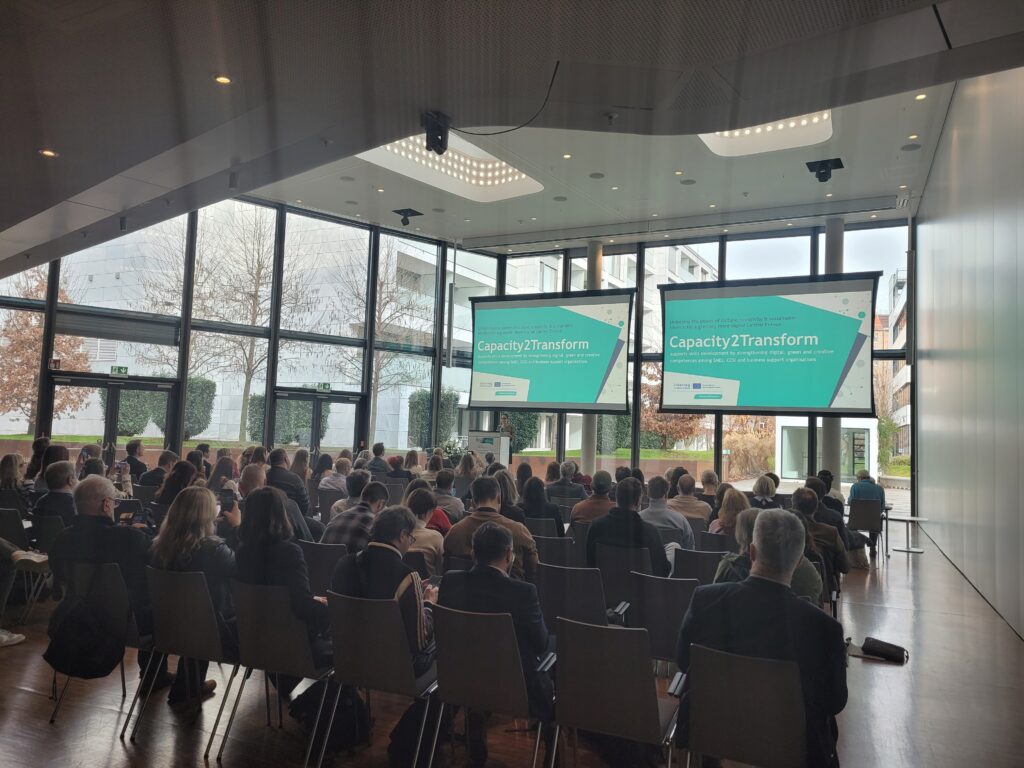
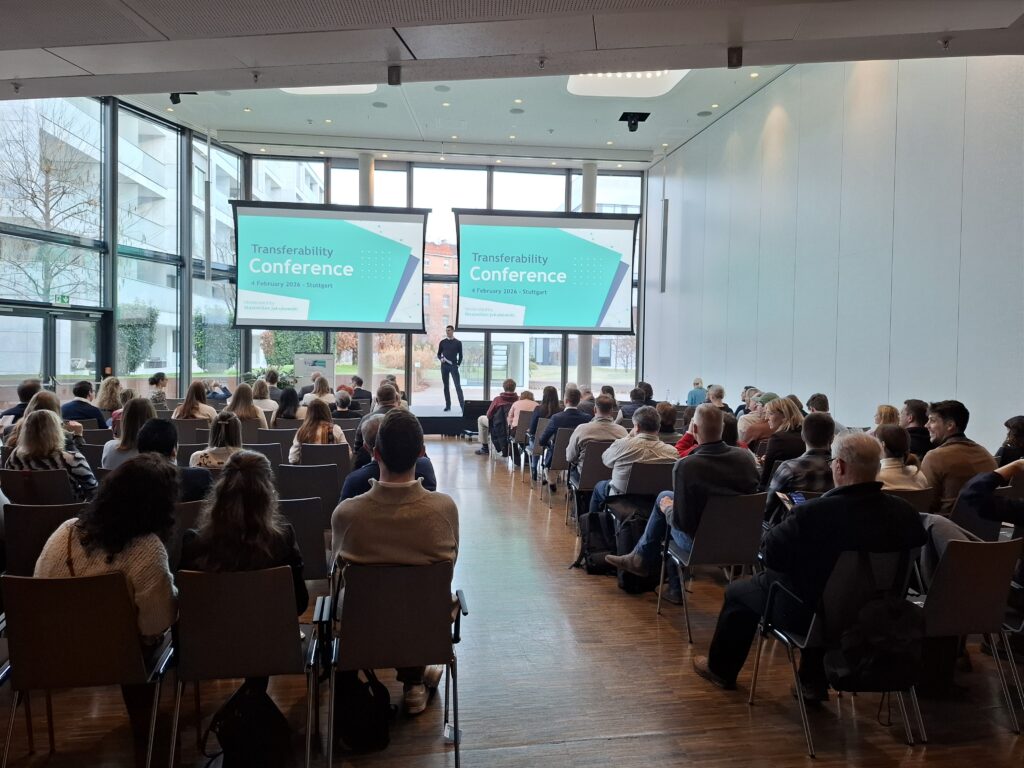
On 4 February 2026, the Transferability Conference – “Skills for Transformation: Empowering Change in the Creative & Entrepreneurial Ecosystem” brought the Capacity2Transform community and partner projects together in Stuttgart for a full day of exchange on one core question: How do we make skills, tools and methods travel beyond the project bubble – and actually reach people who need them?
Hosted by Steinbeis Europa Zentrum, the conference welcomed 120 participants and showcased 8 EU‑funded projects sharing concrete results, methods, tools, experiences and recommendations on skills development and capacity building for green, digital and creative transformation.
Why transferability matters (especially now)
Capacity2Transform is built on the idea that transformation is not achieved through generic training alone, but through new mindsets, creative methods and cross-sector collaboration that help SMEs and regions tackle real challenges. That is why the project developed and tested a Digital–Green–Creative (DGC) transformation methodology built on three pillars – upskilling, peer exchange/mutual learning, and co-creation – so that regions can move from capacity building to capacity for transformation. The Transferability Conference translated this philosophy into an event design that prioritised exchange, practical learning and end‑user perspectives.
Indeed, even the best methodology is only valuable if others can replicate and adapt it. Transferability, therefore, is not an “add‑on”; it is the bridge between project outputs and long‑term impact – precisely what our closing event was designed to accelerate.
What made this event a “good practice” for transferability
The conference showed how synergies across European funding programmes can be operationalised through joint planning, shared communication assets and a programme structure that values interaction over one‑way dissemination. The audience response was highly positive, and the event created new contacts, ideas and potential partnerships for future collaboration.
Most importantly, the format combined short, engaging presentations with panel discussions, stakeholder testimonials and hands‑on workshops, keeping the audience involved throughout the day and turning project outputs into something participants could understand, discuss and apply. In that sense, the Transferability Conference did what it set out to do: It helped project results travel and made “skills for transformation” feel actionable rather than abstract.
Learning by doing: three workshops, three ways to experience tools first-hand
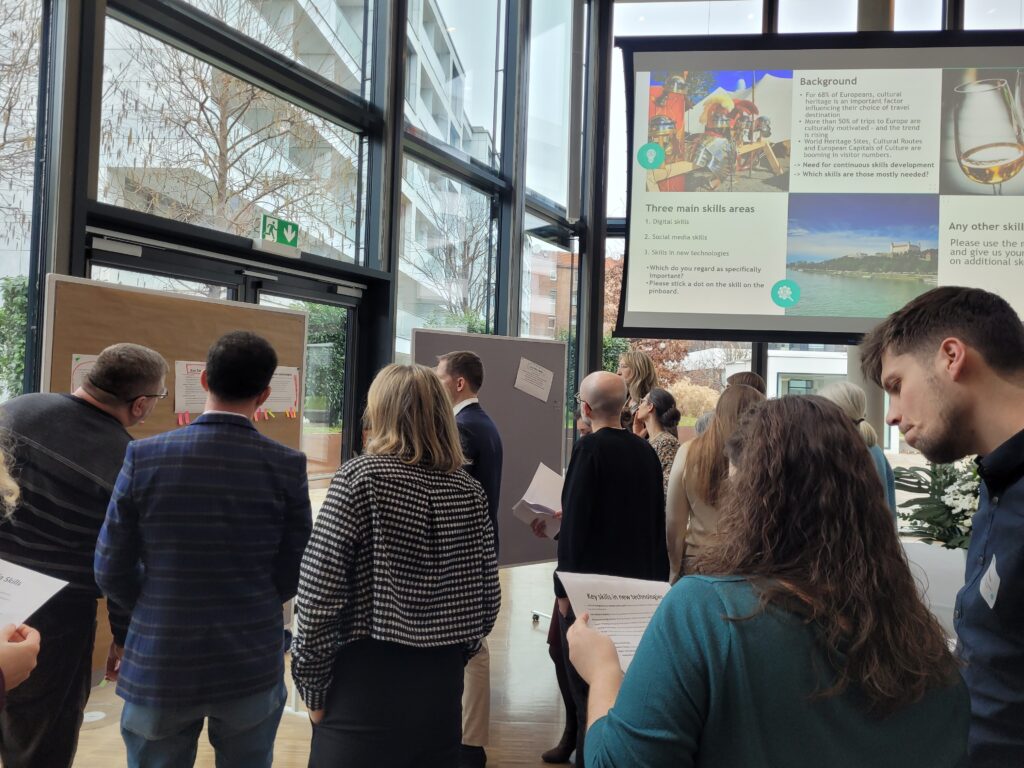
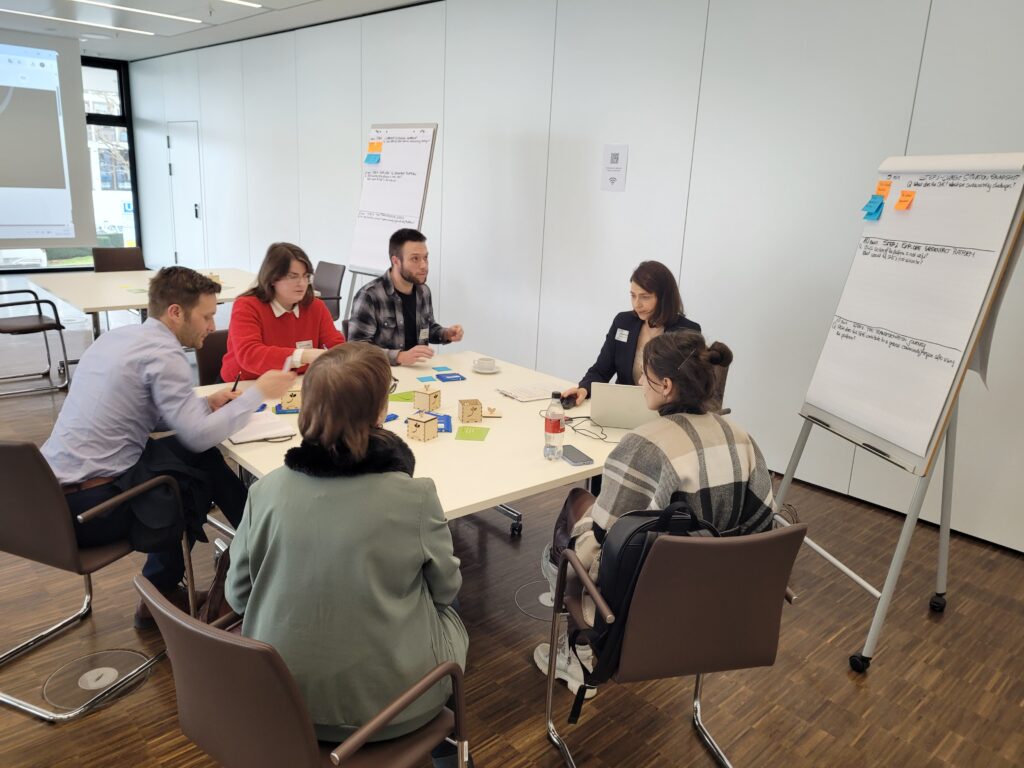
The Transferability Conference did not just “disseminate” results, it demonstrated how to package and share knowledge so others can apply it. Transferability becomes tangible when people can try things. That is why the conference featured parallel thematic workshops that let participants experience project tools directly:
- Discovering future skills (CYANOTYPES) with a card deck
- Testing a platform through a collaborative SME sustainability journey (GREENPACT)
- Discussing new skills for emerging professions in cultural heritage and tourism – (#ROMANSWINEDANUBE)
This “experience-based” transfer helps methods and knowledge stick.
A final takeaway: transferability is a design choice
The Stuttgart conference showed that transferability does not happen automatically. It needs:
- a clear storyline (what problem we solve and for whom),
- evidence (what worked, where, and why),
- interaction (panels + stakeholder voices),
- hands‑on experience (practical workshops), and
- a plan for legacy (platforms, partnerships, and long‑term commitments).
Capacity2Transform may end in February 2026, but the conference underscored a bigger point: When projects build communities of practice and create reusable knowledge assets, the learning continues—and so does the impact.
Pictures:
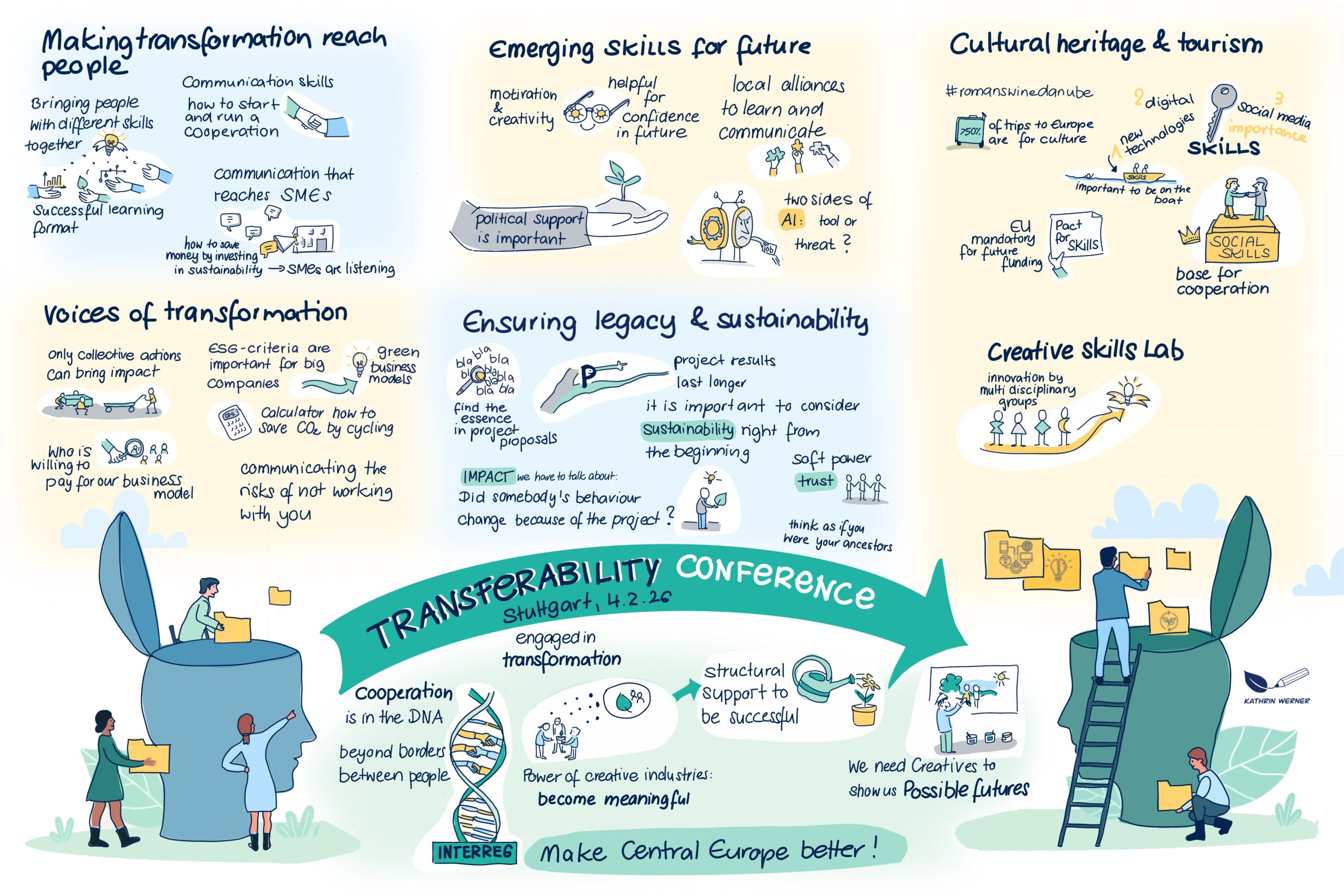
- graphic recording (credit: Kathrin Werner)
- all others (credit: Steinbeis Europa Zentrum)